Certified Professional Inspector


InterNACHI ID: NACHI21092630
NJ License # 24GI00217800
Radon License # MET14403

Homes with septic systems rely on properly functioning components to safely manage wastewater. Because most of the system is buried underground, problems can go unnoticed until they become costly. A professional septic system inspection helps identify potential issues early, giving homeowners and buyers a clearer understanding of the system’s condition and performance.
A septic system plays a critical role in protecting both the home and the surrounding environment. When a system isn’t operating correctly, it can lead to sewage backups, unpleasant odors, drainage issues, or contamination of soil and groundwater. Repairs or replacements can be expensive, especially if problems aren’t discovered early.
A septic inspection provides insight into how well the system is functioning at the time of the inspection. This is especially important during real estate transactions, where buyers need confidence that the system is in acceptable working order and compliant with local requirements.
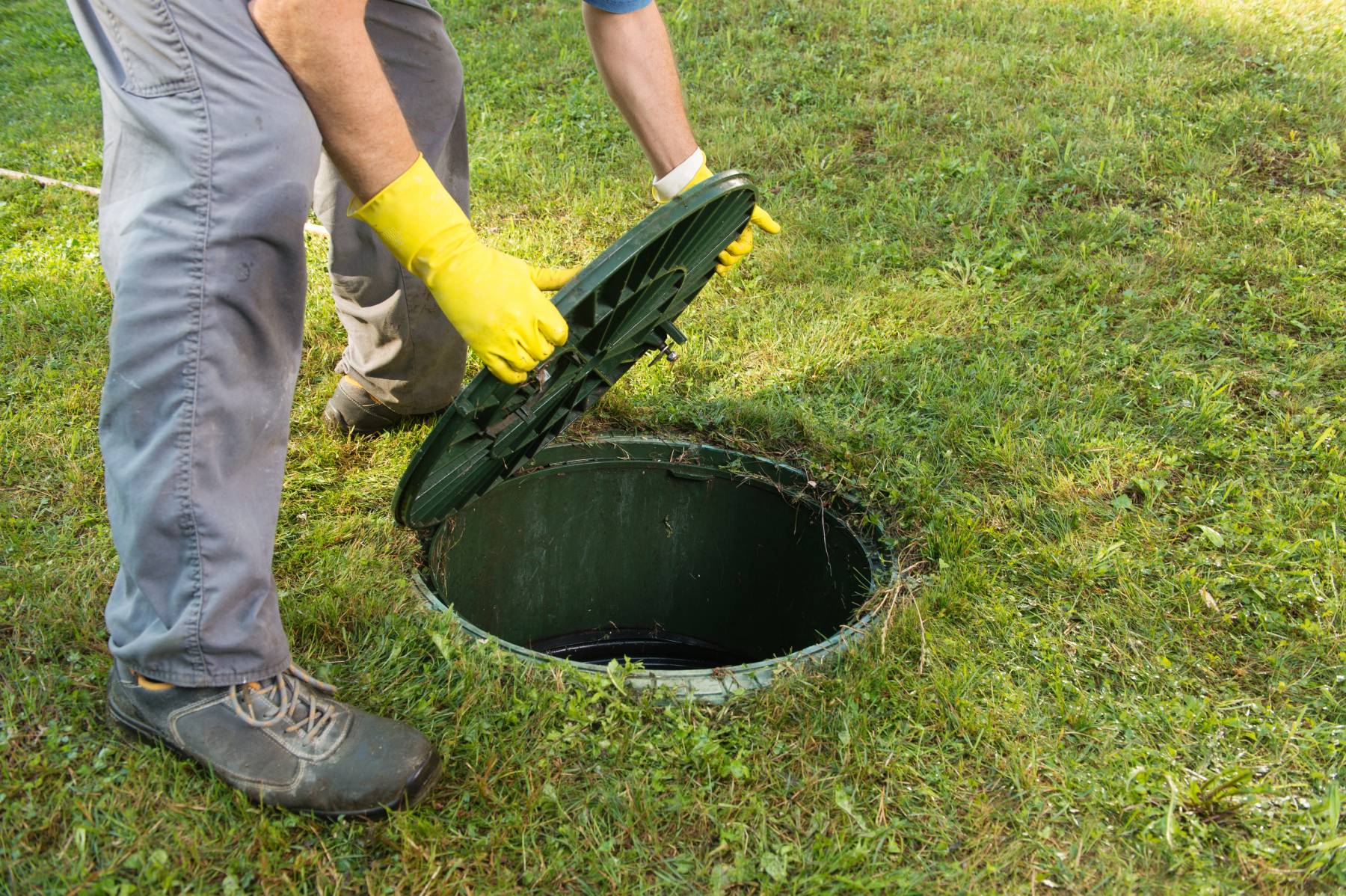
A septic system inspection begins with a review of visible and accessible components, including the septic tank location, access points, and drainage areas. We evaluate signs of improper operation such as standing water, strong odors, or stressed vegetation in the drain field.
When accessible, the tank is inspected to assess liquid levels and general condition. The inspection focuses on identifying indicators of potential failure, blockage, or system overload. While a septic inspection does not guarantee future performance, it provides valuable information about the system’s current state and any visible concerns.
Following the inspection, you’ll receive a detailed report outlining observations and recommendations, helping you make informed decisions about maintenance or further evaluation if needed.
Septic system inspections are commonly performed when buying or selling a home, particularly in areas where septic systems are prevalent. They’re also recommended if a system has not been inspected or serviced in several years, or if there are signs such as slow drains, sewage odors, or unexplained wet areas in the yard.
Routine inspections can help extend the life of a septic system and reduce the risk of unexpected repairs.
A professional septic inspection provides peace of mind by reducing uncertainty about an essential but hidden system. It helps homeowners and buyers understand potential risks, plan for maintenance, and avoid surprises after closing. Early awareness of issues can lead to more manageable solutions and better long-term system performance.
Craftsman Home Inspection Services offers thorough septic system inspections designed to give you a clear picture of your home’s wastewater system. Our inspections are conducted with care and attention so you can move forward with confidence.
Call or Text: 201-888-4630
Email: philip@craftsmaninspects.com
A septic inspection evaluates visible and accessible components of the system, including the tank location, access points, and drain field area. The inspection looks for signs of improper operation or potential failure.
No. Pumping is a maintenance service performed by a septic contractor. A septic inspection assesses the system’s condition but does not include pumping unless arranged separately.
Septic systems are generally recommended to be inspected every three to five years, or more frequently if required during a real estate transaction or if issues are suspected.
Yes. A septic inspection reflects the system’s condition at the time of inspection. Regular maintenance and proper usage are essential to long-term performance.
Common warning signs include slow drains, sewage odors, standing water near the drain field, or unusually green grass in specific areas of the yard.
Yes. Septic inspections provide valuable insight into a system that can be costly to repair or replace, making them an important part of the due diligence process.
Requirements vary by location. Some municipalities or lenders require septic inspections, while others recommend them as a best practice.
InterNACHI ID: NACHI21092630
NJ License # 24GI00217800
Radon License # MET14403