Certified Professional Inspector


InterNACHI ID: NACHI21092630
NJ License # 24GI00217800
Radon License # MET14403

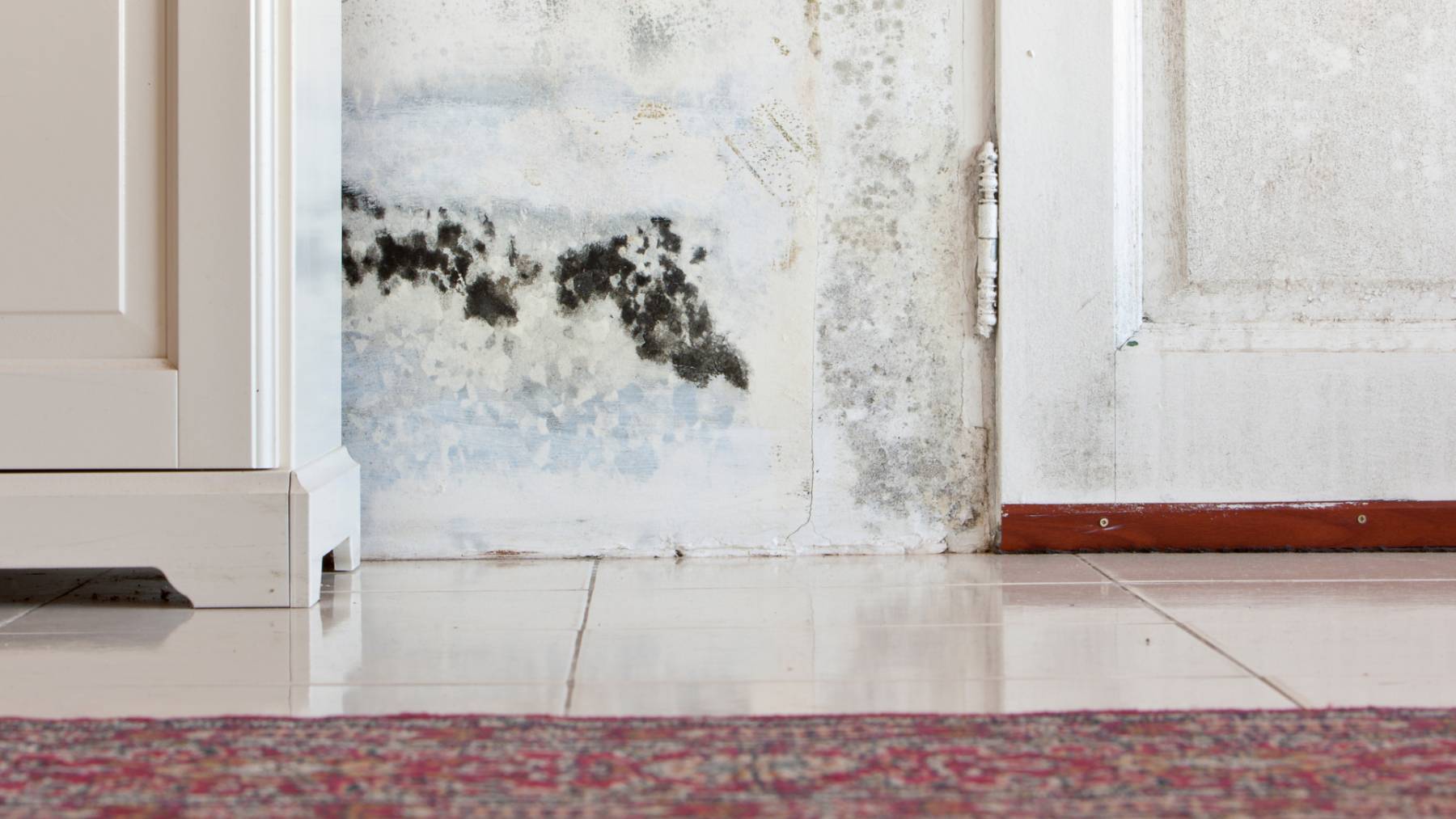
Mold growth inside a home can develop quietly and spread before it’s ever visible. Moisture intrusion, poor ventilation, or hidden leaks can all create conditions where mold thrives. A professional mold inspection helps identify potential mold issues early, so you can address them before they impact indoor air quality, property value, or occupant health.
Mold is a natural part of the environment, but when it grows indoors, it can become a serious concern. Elevated moisture levels allow mold to develop behind walls, under flooring, inside crawl spaces, and in attics—areas that homeowners may not regularly access. Over time, mold can contribute to structural damage and may trigger allergic reactions or respiratory symptoms in sensitive individuals.
A mold inspection provides clarity. Rather than guessing whether discoloration, odors, or moisture problems indicate mold, professional testing and evaluation offer reliable information so you can take appropriate action.
A mold inspection begins with a thorough visual evaluation of areas where moisture is most likely to accumulate. This includes bathrooms, kitchens, basements, crawl spaces, attics, and around plumbing fixtures or HVAC components. We look for visible growth, water staining, and conditions that promote mold development.
When needed, air or surface sampling may be performed to help identify the presence and concentration of mold spores. Samples are analyzed by a certified laboratory, and the results are reviewed to determine whether indoor mold levels are elevated compared to normal background conditions.
You’ll receive a clear, easy-to-understand report outlining findings, test results, and recommended next steps if mold or moisture concerns are identified.
A mold inspection is recommended any time there are signs of excess moisture or unexplained odors, or when buying or selling a home. It’s also a smart step if a property has experienced flooding, roof leaks, plumbing failures, or long-term humidity issues.
Even without visible mold, inspections can help uncover hidden problems before they worsen. Early detection often leads to simpler, more cost-effective solutions.
A professional mold inspection helps eliminate uncertainty. It provides objective data about indoor air quality and moisture conditions, allowing homeowners and buyers to make informed decisions. Whether confirming that a home is clear or identifying areas that need attention, mold inspections support healthier living environments and protect long-term property value.
Craftsman Home Inspection Services provides detailed, unbiased mold inspections designed to give you confidence in your home. Our goal is to help you understand what’s happening inside the property so you can move forward with clarity.
Mold is a type of fungus that grows in damp or humid environments. Indoors, mold often develops due to leaks, condensation, poor ventilation, or water intrusion that isn’t properly dried.
Yes. Mold can grow behind walls, under flooring, or inside HVAC systems. A musty odor or ongoing moisture issues may indicate hidden mold growth.
A mold inspection identifies the presence and extent of mold and moisture issues. Mold remediation is the process of removing mold and correcting the underlying moisture problem. Inspections are performed independently from remediation services.
Most mold inspections take one to two hours, depending on the size of the home and whether sampling is performed. Lab results are typically available within a few days.
Not always. In some cases, visible mold and moisture conditions are enough to recommend corrective action. Testing may be used when confirmation or documentation is needed.
Some people may experience allergic reactions or respiratory irritation when exposed to elevated mold levels. Health effects vary depending on the individual, the type of mold, and the duration of exposure.
Yes. Mold inspections can identify hidden moisture problems that may not be visible during a standard home inspection, helping buyers avoid unexpected repairs after closing.
InterNACHI ID: NACHI21092630
NJ License # 24GI00217800
Radon License # MET14403